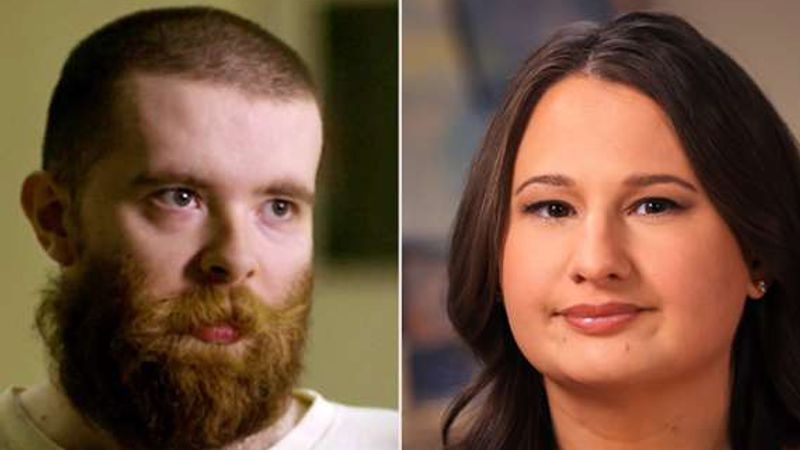
In July 1991, Gypsy Rose Blanchard was born, an American girl who will go down in history as one of the most controversial criminals of our time. She grew up with her mother, Clauddine "Dee Dee" Blanchard, a trained nurse, in Louisiana. When Gypsy was only three months old, her mom was convinced that she had sleep apnea (breathing disorder). However, doctors at the hospital did not find any evidence of this. Over time, Dee Dee self-diagnosed her daughter with a wide range of medical issues from chromosomal disorders to muscular dystrophy, eventually forcing Gypsy to use a walker. A few years later, when Gypsy was around eight years old, Dee Dee sustained a leg injury, which resulted in a two-month hospital stay, while Gypsy was living with her grandfather, who, as later revealed, was abusing her. After the injury, Gypsy and Dee Dee began to participate in sci-fi conventions, which they attended in costumes, making it possible for her to “blend in”. Due to her illnesses, sadly, the young girl could not go to school and was moved into homeschooling.
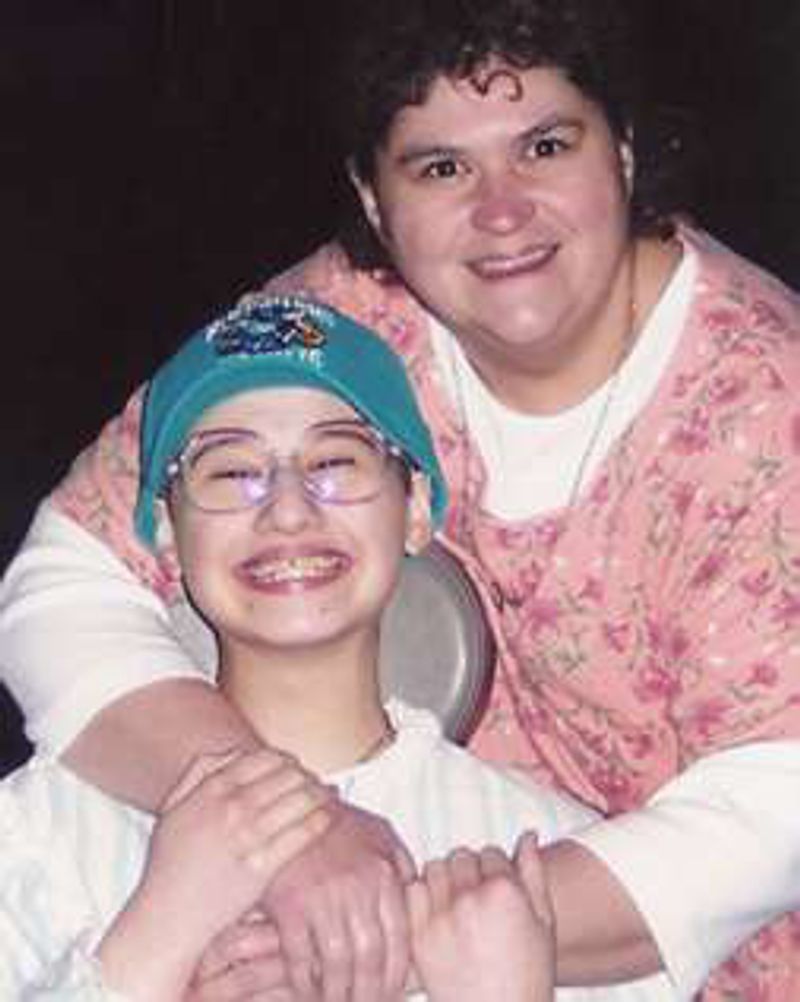
Gypsy’s dad Claude remarried; however, he was still connected to his daughter and even offered her and her mother to move in with him and his new wife Laura. Unfortunately, the situation between Dee Dee and Laura was tense, and eventually escalated to allegations that Laura's food had been poisoned with Roundup weed killer, which significantly worsened her chronic illness. As soon as the relatives started noticing unusual behavior on Dee Dee’s side, Dee Dee and Gypsy left and moved to New Orleans.
Because Dee Dee was unable to work and take care of her daughter, they started living in public housing and supported themselves through child-support from Claude and public assistance, which were all linked to Gypsy’s medical conditions. After their relocation, they started visiting new doctors who blindly provided Gypsy with all types of treatments, simply based on the documentation Dee Dee provided. Apparently, her daughter started experiencing seizures every now and then, for which she was prescribed anti-seizure medication. During this period Gypsy underwent surgery, and the hospital lost count of the frequent visitations of the emergency room for every minor ailment.
After Hurricane Katrina in 2005 they were forced to move out, which was the beginning of their rather frequent resettlements, during which time all her medical documentation was lost. In 2008, both ladies moved to Springfield, where they received a special needs home from a Christian nonprofit organization, which was equipped with a wheelchair ramp and many more. Gypsy and Dee Dee started getting some media attention as the story of a single mother with a disabled daughter was drawing people’s attention.
Many people who met Gypsy-Rose were charmed by her. Her 5-foot height, nearly toothless mouth, large glasses, and high, childlike voice reinforced the perception that she had the medical problems her mother described. Dee Dee regularly shaved Gypsy's head to mimic the appearance of a chemotherapy patient, allegedly telling her that medication would eventually cause her hair to fall out and that shaving it in advance was easier.
Already in 2007, a pediatric neurologist, Bernardo Flasterstein, started to become suspicious of Gypsy’s medical records. He ordered new MRIs and blood tests, which showed a healthy teenager. However, as soon as he told Dee Dee, she decided to stop seeing him. Unfortunately, Flasterstein did not report it to the social services as he wanted nothing to do with this case. The breaking point came in 2009, when an anonymous caller reported Dee Dee to the police, accusing her of using multiple names, birthdates and even mentioned Gypsy’s medical records being faked. The police investigated this case but quickly persuaded that it was strictly due to safety reasons to avoid her ex-husband.
In February 2011, at a sci-fi convention, Gypsy tried to escape for the first time with a man named Dan, who she had met online and arranged to meet at the event. In this case, reports vary in terms of Gypsy’s real age. Some believe she was only 15, others say she was found to be 19. In this version, Gypsy was planning to run away to Arkansas. She prepared a note for her mother, informing her about her wanting to be independent and going to a friend’s house. However, this plan did not work out, as Dan was on parole and was not able to leave the state. After that, Gypsy willingly came back home under the condition that her relationship with Dan could continue. Despite that, the reality was different; Dee Dee smashed her computer and phone. Gypsy also claims to have been starved and handcuffed to the bed. During that time her mother also declared her mentally incompetent, making Gypsy believe that police would not trust a word, she said.
In June 2011, Gypsy attempted another escape, this time it was by shooting Dee Dee ten times, but the injuries were not severe, making this attempt unsuccessful.
Around 2012, Gypsy befriended Nicholas Godejohn online, who had a history of mental illnesses, supposed dissociative identity disorder, and was diagnosed with an autism spectrum disorder. Their relationship grew and in 2015 they arranged a meeting at the movie theatre, where they progressively started to plan to kill Dee Dee.
Godejohn returned to Springfield in June 2015, to realize their plan. As soon as Dee Dee went to sleep, Nicolas and Gypsy started preparing all the necessary things:- duct tape, gloves and most importantly a knife. Later, Gypsy hid in the bathroom and covered her ears, to avoid hearing her mother scream. Clauddine "Dee Dee" Blanchard was stabbed 17 times in her sleep. The responsible couple took $4, 400 in cash and moved to a motel outside town, where they planned their next steps. After a few days, they came up with a “great” idea to send the murder weapon to Godejohn’s home in Wisconsin, to minimize the possibility of being found with it. At that point, both of them believed they had already gotten away with the crime.
Everyone believed that Gypsy was kidnapped by the killer, however, that belief was quickly refuted.
After a while of unanswered phone calls, several friends went to Dee Dee’s house. Although it was not unusual for a mother and daughter to leave for medical treatments without notice, this time it felt different. Their friends called 911 to get inside the house.
As soon as they got a warrant, officers found Dee Dee’s body. Everyone believed that Gypsy was kidnapped by the killer, however, that belief was quickly refuted. One of the neighbors knew about her boyfriend and easily tracked him based on his IP address. The following day, both killers were arrested.
After the disclosure about how Dee Dee had allegedly treated Gypsy, public sympathy shifted from seeing Dee Dee as a victim of a violent murder to Gypsy as a long-term victim of abuse. Her attorney successfully reduced her charge from first-degree murder into second-degree murder (murder without premeditation), due to her medical state. In July 2016, Gypsy accepted the plea deal and was sentenced to ten years in prison. However, Godejohn's trial was scheduled for November 2018. Due to his participation in the crime, he was sentenced to life in prison, which was later changed to a 25-year sentence.
Following her release, she rapidly gained a strong social media following (9.2 million followers on TikTok and over 979,000 on Instagram), reflecting not only widespread public fascination, but also a collective tendency to interpret her story mostly through a lens of victimhood and emotional identification. This phenomenon leads to a deeper psychological dynamic in which audiences may justify her actions by focusing on the trauma over the crime alone. Consequently, this raises a more unsettling question: to what extent should society normalize, or even support, individuals with criminal histories who publicly justify or laugh at acts of violence against their parents, especially when they are viewed as influencers and actively shape the attitudes, values, and moral boundaries of others?