The Nobel Prize, the golden ticket into the club of the world’s finest thinkers. It is the reward for the ultimate achievement, desired not only for its financial perks, but also for its hard-to-question proof of intellectual prestige. Yet, this very prize seems to be the bearer of the corroded thinking for so many (though certainly not all) of its laureates.
There has been an emerging pattern among some of the Nobel Prize winners throughout the years. Some have become spokesmen in their respective fields, leading institutes or governing agencies. Others, however, feel responsible for the Big Problems outside of their areas of expertise and start to turn towards rather radical solutions. This is the point, where a disorder, commonly known as the Nobel Disease or Nobelitis can emerge. It is an informal term used when Nobel prize winners adopt strange, unscientific or extreme beliefs because of this achievement. This phenomenon suggests that intelligence and success are not a determinant factor for the lack of irrationality and even brilliant people are not immune to bad thinking. On the contrary, their brilliance might be the primary cause of it.
Perhaps the most iconic example is Linus Pauling. He was able to apply his knowledge of quantum physics to chemistry and essentially figured out how atoms form bonds with each other, laying the ground to understanding chemistry rather than memorizing it. His discoveries did not end there, as he was the first person to track a disease back to a mutation in a specific gene in his research on sickle-cell anemia. In 1962 he won the Peace Prize for his activism against nuclear weapons, making him the only person today to win two unshared Nobel Prizes. To be fair, this proves that he was able to cross the lines between science and politics, but his open-mindedness did vitamin C. He reported feeling better and went on to take up to 40 000 milligrams a day (thousand times the recommended daily dose). Besides slightly reducing the duration and severity of a cold, vitamin C has no effect on an already developed illness. Pauling however, most likely under the influence of the placebo effect, claimed that vitamin C could help cure schizophrenia, AIDS and cancer. He denied that excess vitamin C could potentially cause harm such as cramps, heartburn and kidney stones and even though his colds never stopped and he was diagnosed with prostate cancer, he claimed that vitamin C has put off his cancer by 20 years. Numerous clinical studies failed to support his hypothesis, and his conclusions were strongly rejected, however he continued to advocate for high intake of vitamin C until his death in 1994.
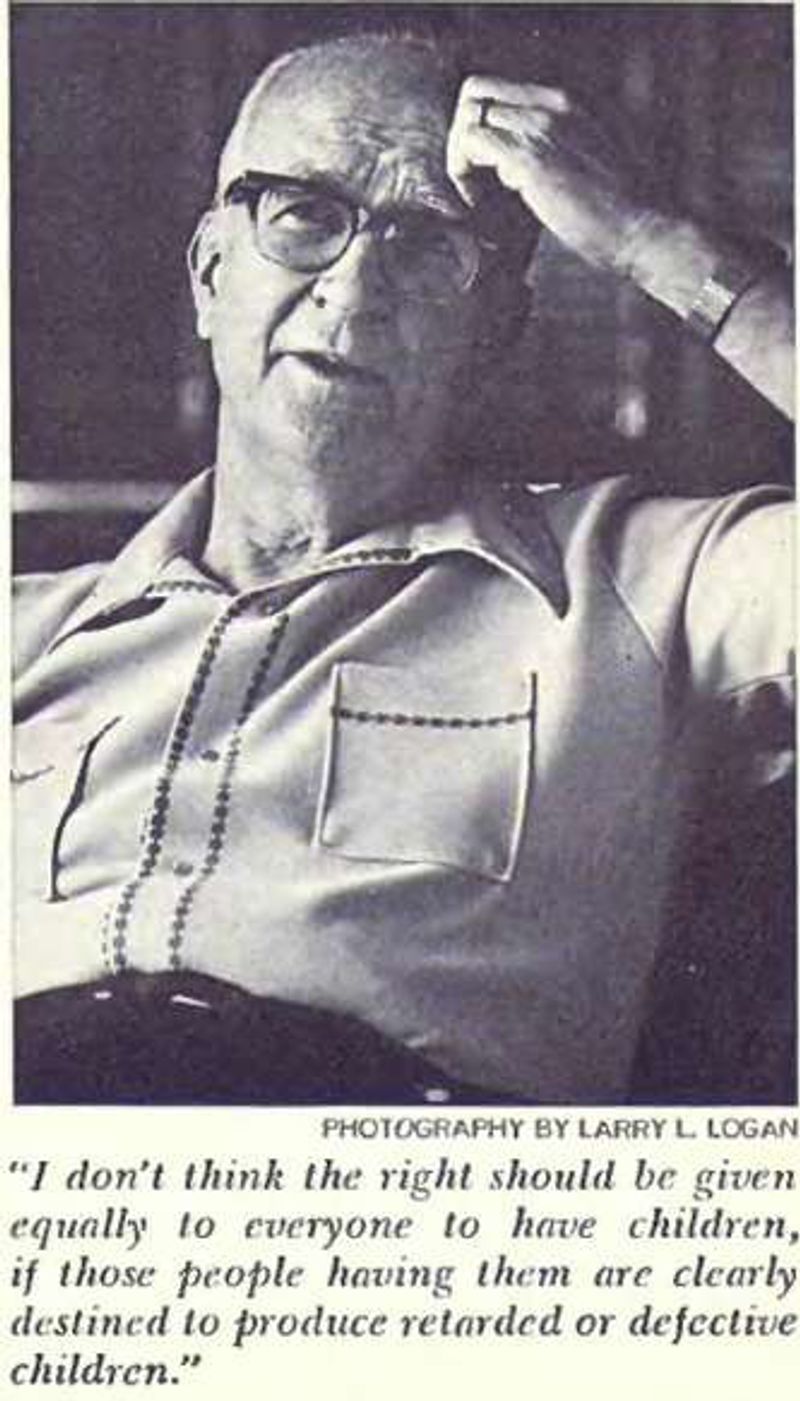
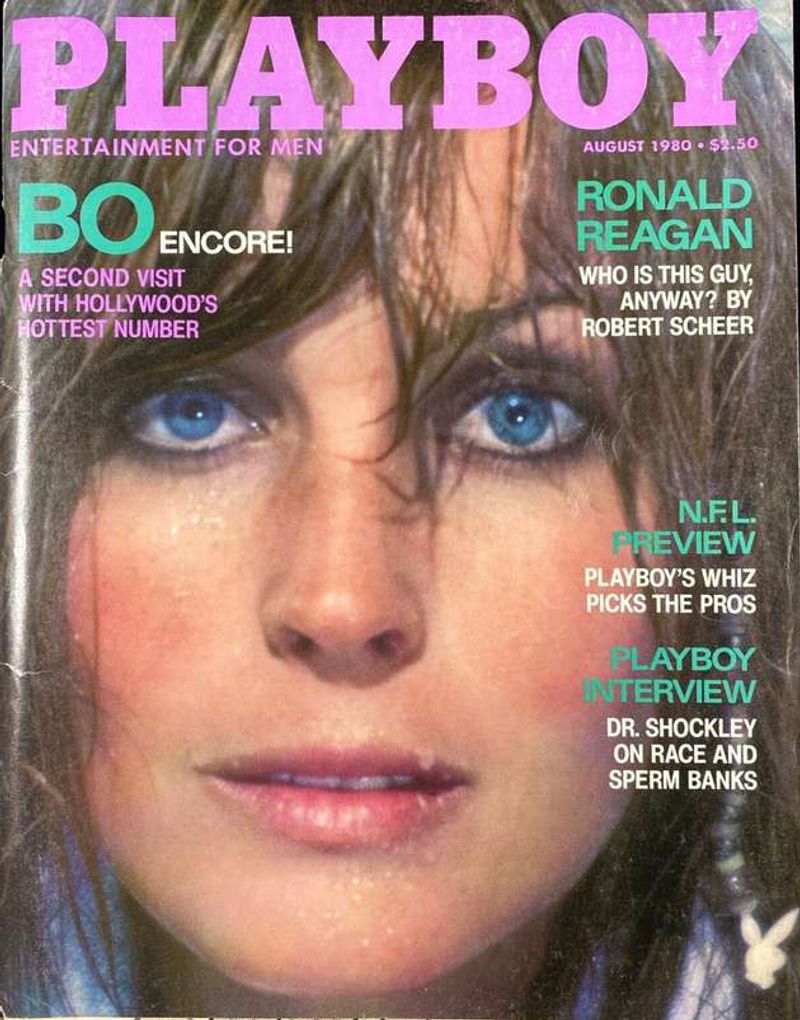
His symptoms of the Nobel Disease did not end at nutritional suggestions, he subscribed to a popular set of beliefs called eugenics, dating back to the 19th century, proposing that people with hereditary diseases should be identified, to discourage them from reproducing. And he wasn’t the only one. In fact, 25 other laureates openly supported some form of eugenics during their lifetime. William Shockley, contributor to the invention of the modern solid-state transistor also dived into the questions about genetic explanations for racial IQ differences. And his conviction led him to criticise his wife for giving his children “inferior” genes. In his later years he was widely ostracized. In a 1980 Playboy interview, this pressure from the public becomes almost theatrical. After being mocked by the interviewer for calling himself a babe in his 70s, he is asked, “Why should anyone listen to a person who’s a Nobel Prize winner in physics on the subject of genetics?”. Shockley defends himself by arguing that truth can come from all sorts of unlikely sources and compares his ideas to monkeys randomly producing Encyclopaedia Britannica. This interviewer cuts him off sharply: “The likelyhood of a monkey typing the Encyclopaedia Britannica—especially when he knows more about bananas than about encyclopedias—is infinitesimally small.”
While the old age of the winners might certainly play a role, some other factors, such as exaggerated justifications, propensity towards biases and a sense of invulnerability suggest an interplay of environmental and internal factors as the root cause. In his autobiography, Benjamin Franklin remarks a story from his first voyage from Boston. At first, he was appalled by the idea of consuming so many cod fish, even out of necessity, since they “could do us any injury that might justify the slaughter”. The smell of freshly fried fish, however, was tempting and he eventually came upon a revelation, as he observed the cod being cut-open. The view of several small fish in the stomach of this creature gave him the moral pass to consume them “very heartily”. The story on its own is but a simple anecdote, as Franklin states at the end: “So convenient a thing to be a reasonable creature—since it enables one to find or make a reason for everything one has a mind to do.”
“So convenient a thing to be a reasonable creature—since it enables one to find or make a reason for everything one has a mind to do.”
It would be fair to say, that Nobel laureates are some of the most reasonable creatures among us. Meaning, that they have a very good ability to create reasons to justify their beliefs. Imagination and open-mindedness are the core characteristics of a successful thinker, but they also create the space for unchecked emergence of false beliefs. Each of these great minds, have probably gone through a stage of deviation from generally accepted knowledge, but in their case, it led to the achievement of their lifetime. So why wouldn't it work this time? Why wouldn't it work when they just discovered that DNA could cause cancer or when a fluorescent alien resembling a racoon visited them? Combined with confirmed self-confidence and intelligence, creativity can lead to great discoveries, but also to stupid or even dangerous ideas.
To cure the side effect of brilliance is a captious task. While we most likely cannot and do not want to suppress brilliance, intelligence of individuals, we are able to create an environment founded on humility regarding groundbreaking ideas, especially when tapping into fields outside of one’s expertise. The Nobel Prize is awarded for a single contribution, not omniscience. While it is important to highlight the achievements of individuals, they should be able to identify their intellectual overreach. But where do we draw the line between celebration and blind trust? In the end, the laureate cannot be un-laureated, the scientific community, the press and others will continue to quote their work, regardless of how many inappropriate and wrong comments they make. The only lever is before, where the norms, awareness and literacy perhaps create a better culture, without figures being treated as oracles, who counsel on matters outside of their lane.