Before the highly anticipated 2024 presidential elections, the Venezuelan political scene was full of a rare sense of optimism. For the first time in a decade, the broken opposition united behind a single candidate, Edmundo González Urrutia, a silent diplomat who stepped in after the popular leader María Corina Machado was banned from running in the elections. The atmosphere was tense, and the polls were predicting an easy victory for the opposition and an end to the 25-year rule of Chavismo.
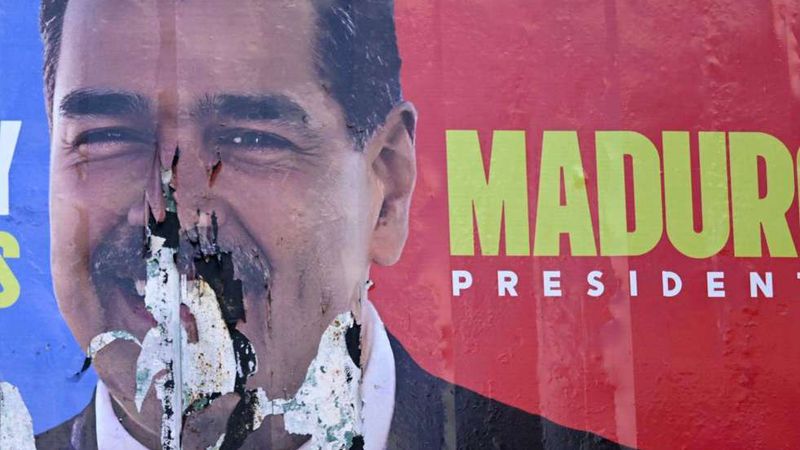
Both before and during the election on July 28, 2024, the regime of Nicolás Maduro sent mixed signals. While they allowed the vote to proceed, the events after it were a chaotic show of democratic norms. The opposition received a document from the official Vote Counting Committee, which stated that González received nearly 70% of the votes (when the voting was calculated from 80%). Nevertheless, the regime controlled National Electoral Council (CNE) declared Maduro the winner, with 51% of the votes, without providing a single supporting document. This unbelievable act, described by independent observers as "the most visible election fraud in modern Latin American history" triggered immediate global rejection.
Even more surprising were the events that followed. UN investigators from the Independent International Fact-Finding Mission reported that the state machinery was weaponized to "silence, discourage, and quash" opposition. Over 2000 people were detained in post-election protests, including minors, which the UN High Commissioner for Human Rights described as a "climate of fear." If this conflict was a Gaussian function, it would have reached its peak in September 2024, when an arrest warrant was issued for the president elect, Edmundo González, which forced him to flee to Spain. The image of the 75-year-old diplomat boarding a Spanish Air Force plane marked a low point for Venezuelan democracy, the terror which caused nearly 8 million Venezuelans to leave the country since 2014.
However, the silence that settled over Venezuela in 2025 was misleading. While the international community’s attention initially drifted (distracted by conflicts in Ukraine and the Middle East), the diplomatic pressure continued behind closed doors. The United Nations Human Rights Council repeatedly condemned the "gross human rights violations," and the International Criminal Court (ICC) signaled that the post-election repression could constitute crimes against humanity.
The Venezuelan crisis shows a strategic maneuver by authoritarian regimes to use elections not as a tool for democracy, but as a mechanism to identify and purge dissidents.
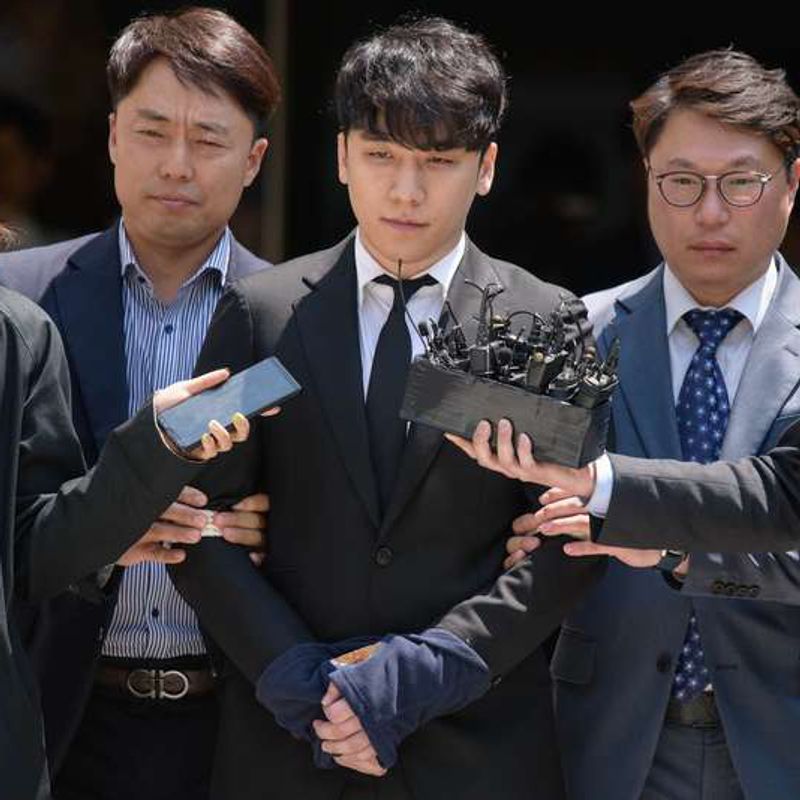
Another crucial moment in this electoral term was the sudden shift in January 2026. Just as the regime appeared to have successfully maintained its power through repression and exile, the situation changed overnight. Reports emerged in early January regarding a targeted U.S. operation that resulted in the detention of Nicolás Maduro reaching a dead end. This "January Surprise" has thrown the region into uncertainty. Much like the delays seen in other geopolitical crises, international bodies were slow to react at first. It took the UN Secretary General several days to issue a statement, he expressed both optimism for the potential of democratic restoration alongside grave concerns about the legal consequence of foreign intervention.
As a result of this shock and the sudden power vacuum, the Chavista ruling party is currently splitting the polls and the opinions of the public. While in late 2025 the regime maintained a state of absolute control, the latest monitoring from regional think tanks suggests a rapid decline in loyalty among the military and lower-ranking officials. However, the opposition, still largely in exile or operating from the shadows, faces the biggest task of rebuilding institutions in a country where the economy has decreased by nearly 80% over the last decade.
The Venezuelan crisis shows a strategic maneuver by authoritarian regimes to use elections not as a tool for democracy, but as a mechanism to identify and purge dissidents. However, the delayed but crucial international response, culminating in the events of early 2026, supports the claim that the era of immunity of politicians may be reaching its limit. Balancing the restoration of order with the urgent need for humanitarian aid will be an important test for the transitional authorities, which may even result in a surprise outcome for the future of Latin American democracy.