I’ll do it later”. Most people have said this at least once - often knowing it will only create more stress in the end. Whether it involves delaying schoolwork, putting off studying, or avoiding a task until the last possible moment, procrastination is usually brushed off as laziness, a lack of discipline, or bad habits. But is that really the case? As deadlines approach and pressure builds, procrastination shows repeatedly, suggesting it may be more than just poor time management. By examining the psychology behind procrastination, this article untangles common assumptions and explores why we delay tasks even when we know better.
One major reason people procrastinate is psychological rather than simple laziness. Studies suggest that fear of failure, anxiety, and low self-confidence can play a crucial role in making even simple tasks feel overwhelming, leading people to often delay them. According to Pier Steel, leading researcher on procrastination, an estimated 15-20% of adults struggle with chronic procrastination, often due to underlying emotional factors rather than poor time management. Similarly, research by Sirois and Pychyl highlights that procrastination can function as a short-term way to manage negative feelings, offering temporary relief from stress but increasing pressure in the long term. For students, this can look like delaying writing an essay until the night before it’s due or avoiding studying for a test as the fear of failure feels too intense.Even though putting off the task feels easier at the moment, in the long run it often worsens the anxiety and reduces overall productivity, creating a cycle that is difficult to break. Experts warn that without addressing the emotional triggers, this habit might carry over into adult life, affecting work, relationships, and performance.
Procrastination can also be understood as an emotional coping mechanism in everyday situations. When facing a challenging task, putting it off may provide a temporary relief from anxiety, frustration, or self-doubt, even though it does not solve the underlying problem. Sirois and Pychyl describe this as a “short-term mood repair”, where delaying a task helps protect an individual's emotional state in the moment. In practice this may involve behaviours such as scrolling on social media instead of starting a large project or even cleaning one's room to avoid tackling homework. Although these strategies may feel helpful at first, in the long run they often backfire as pressure builds, the task remains unfinished, and stress only increases. Viewing procrastination as an emotional coping mechanism shows that it is not merely a matter of laziness, but rather a response to how individuals manage difficult feelings in daily life.
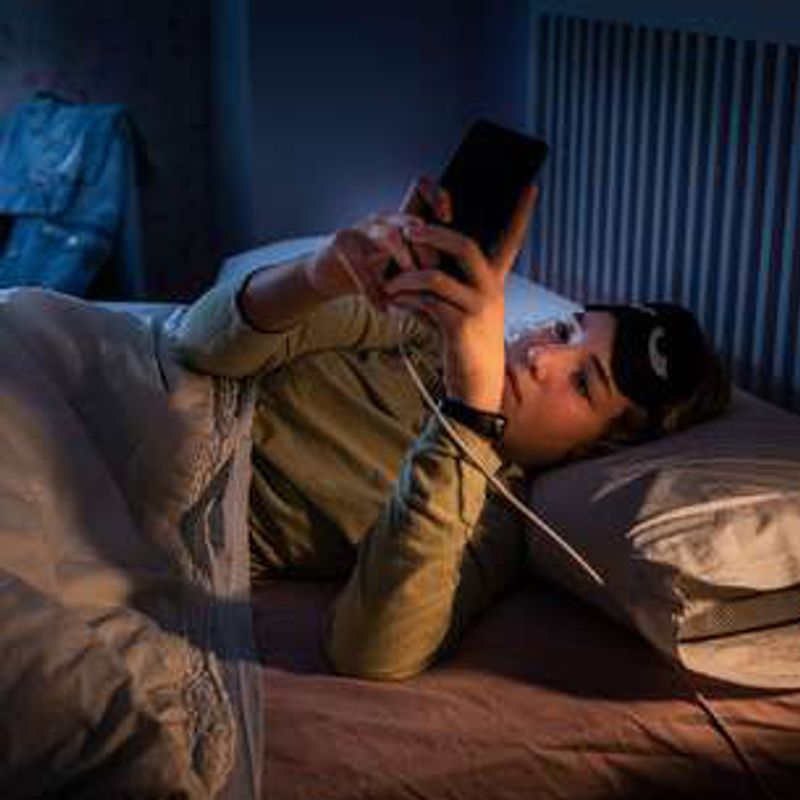
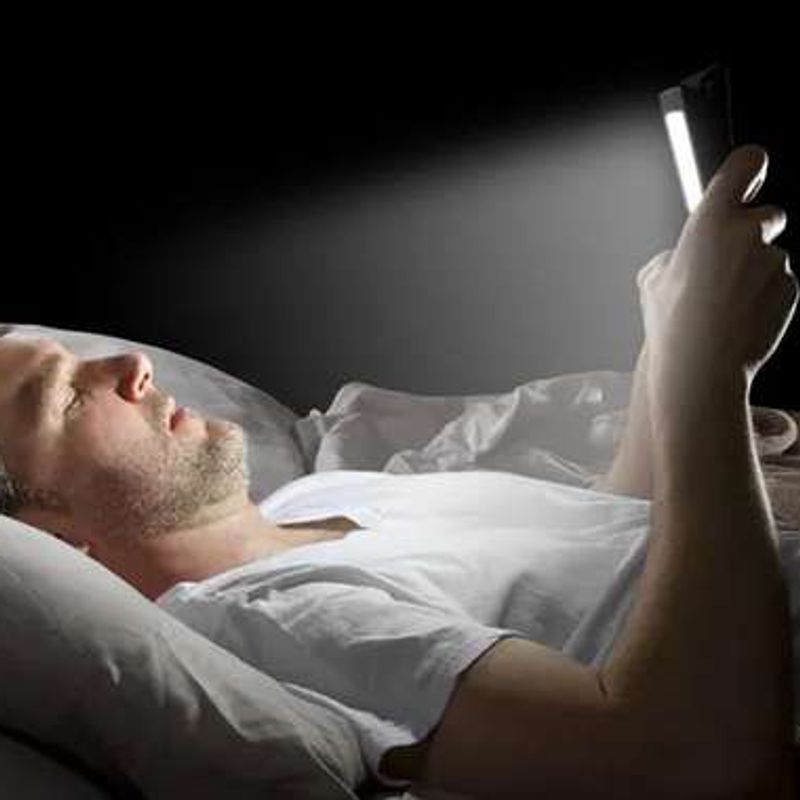
While psychology and emotions explain much of procrastination, our daily life habits and external distractions also play a huge role. Poor time management, constant digital interruptions, and uncertain priorities can make it easier to delay tasks, especially in an environment where distractions are always accessible. Social media, phones, and streaming platforms offer immediate gratification, which often feels more appealing than long-term goals such as academic success. Over time, repeatedly choosing short-term comfort over responsibility can turn procrastination into a habit, rather than a one-time response to stress. This suggests that procrastination is not caused by a single factor, but rather a combination of multiple underlying influences like emotional, behavioural and psychological factors. Recognising these patterns is an important step towards breaking the cycle and developing a healthier approach to work and handling responsibilities.
In conclusion, procrastination cannot be simply labelled as laziness or a lack of discipline. As researchers suggest, it is often the result of underlying emotional, psychological and everyday habits working all together. Understanding why we procrastinate allows us to view it with more awareness rather than self-criticism. Instead of labelling procrastination as a personal flaw, recognising its hidden causes helps individuals develop better strategies for dealing with tasks and deadlines. Ultimately, questioning the cause of procrastination may be the first small step towards changing how we work with ourselves.