There was a time when art felt sacred—not because it was perfect, but because it connected people. Music was played from beginning to end, often in silence. Books were held, reread, and passed between hands. Art asked for time, and people were willing to give it. It was not just creation; it was connection, carrying emotion, memory, and meaning - a reflection of our inner lives and of one another. Yet now, something feels different. But perhaps this is not new. Societies have always evolved. Every generation has feared change, every era has mourned what it was losing while celebrating what it was gaining. And yet, the question remains: when does progress begin to cost more than it gives?
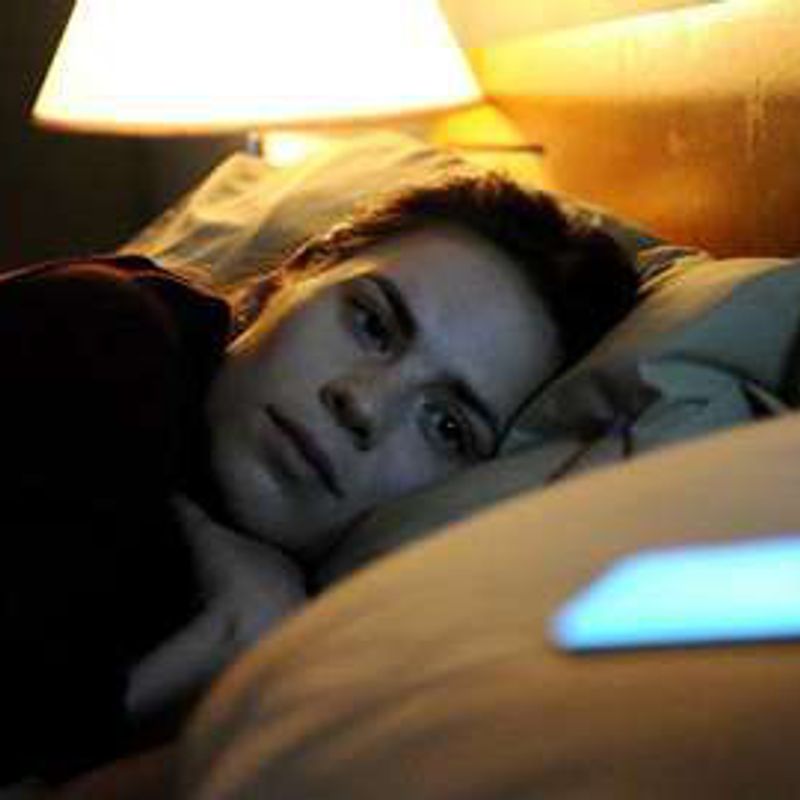
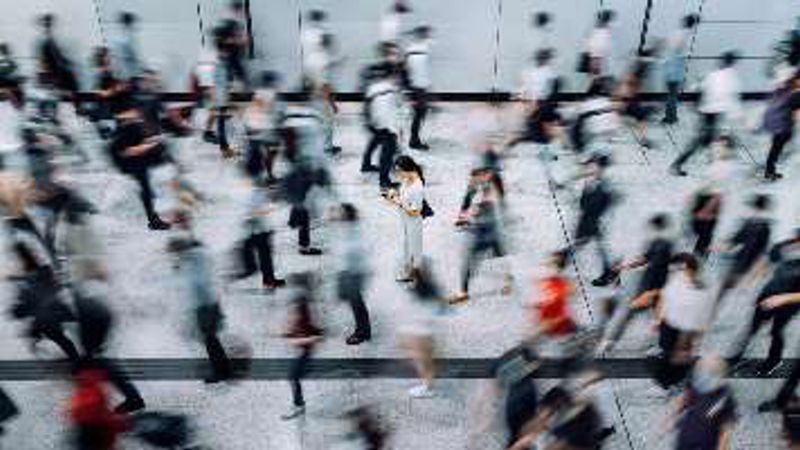
As an artist, I once valued creation with reverent devotion. Each brushstroke, each note, each line of poetry held weight. Yet now, something feels different. Technology allows us to create endlessly and instantly - music streamed in seconds, images copied with a click, words typed and erased without consequence. Art is no longer widely seen as the work of “genius”, but as an ordinary product, endlessly repeatable. In this abundance, the shared experience that once tied us to one another has begun to fade. This hollowing extends beyond art. We sit together while our attention lives elsewhere, our eyes lowered to glowing screens. Conversations shrink into fragments. Moments that once unfolded slowly are now rushed, recorded, and forgotten. Presence has become rare, even when we are physically close, and the consequences of our distraction often go unnoticed.
Even memory itself has shifted. The eyes, once vessels of experience and connection, now witness a filtered, flattened world. We try to recreate the past- the perfect note, the right line- but something almost unapparent has changed. The song survives, but we inhabit it differently now; our attention, values, and the depth of our experience have quietly moved elsewhere.
We still perhaps to play the same instruments as before, but not with the same strings. A voice that once sounded perfect in our memory still seems familiar, yet no matter how carefully we search for the right notes, or how precisely we tune the sound to match our recollection, the music never fully returns. This is not just about songs or instruments, but about the way we once approached life itself: our art, our passions, our relationships, and even how we moved through the world. What endures now is the faint echo of that devotion, the memory of care and attention, but the fullness of feeling, the intensity with which we once approached people and experiences, has changed.
Digital life has not stolen our creativity or capacity to feel. It has reshaped them. We create faster, communicate more, and connect less. We are surrounded, yet isolated. Society can come to call this progress, yet it secretly prioritizes speed over presence, quantity over depth, ease over reflection.
And so, the question that still hangs around us: In a world that changes endlessly, how do we know when it has gone too far? When progress begins to silence feeling, replace presence, and flatten meaning - will we notice? And most importantly, will we choose to remember what it once meant to feel deeply, create slowly, and truly see one another?
The danger isn’t that the world goes too far, but that it does so quietly, while we’re distracted - and by the time we notice, we may no longer remember what we were meant to protect.